2023-05-12@1:11pm–#Fairfield CT– Firefighters’ quick actions kept a fire underneath a porch at Moritz Place (off Black Rock Turnpike) from spreading to the rest of the home.


2023-05-12@1:11pm–#Fairfield CT– Firefighters’ quick actions kept a fire underneath a porch at Moritz Place (off Black Rock Turnpike) from spreading to the rest of the home.
2023-05-11@11:59am–#Bridgeport CT– A two-car crash at Capital and Park Avenue. No word on any injuries.

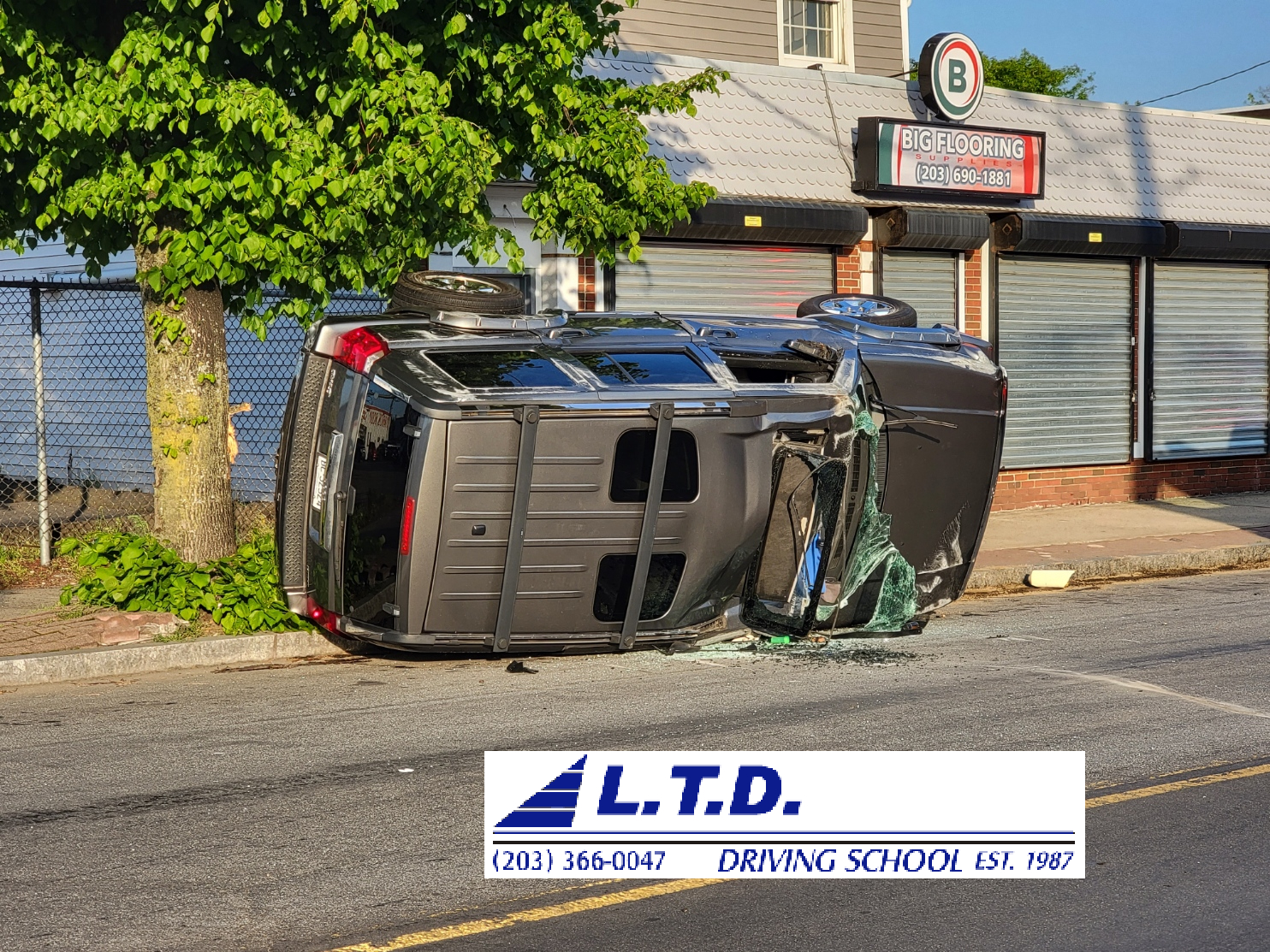
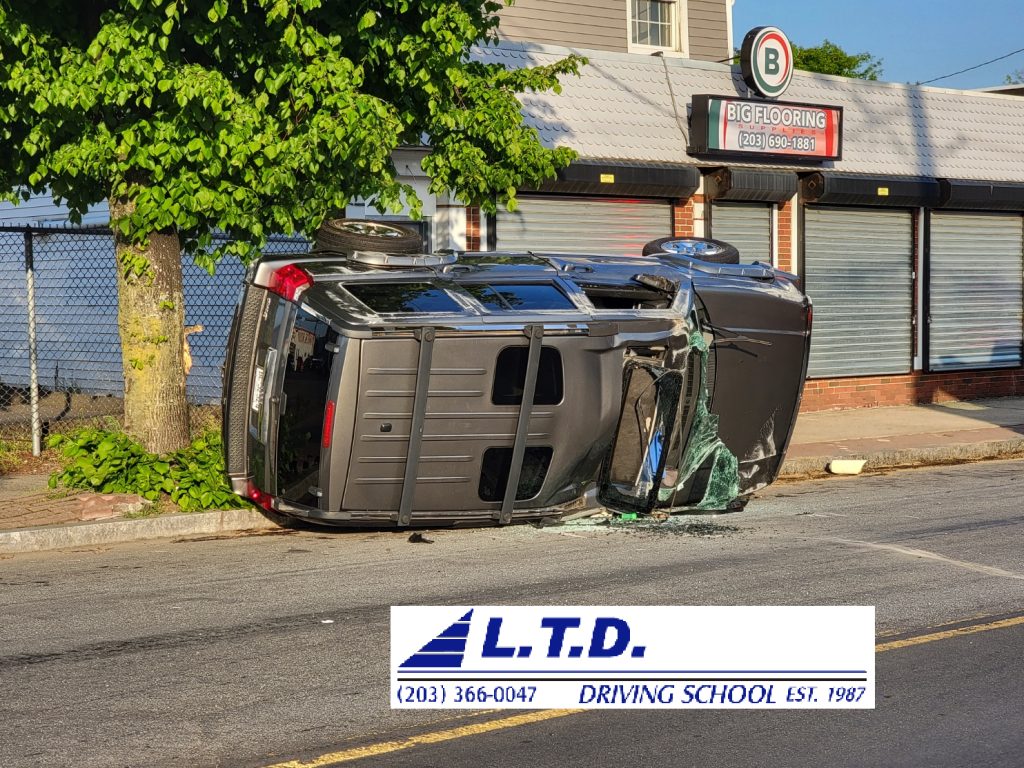
2023-05-11@6:23pm– #Bridgeport CT– Witnesses said the driver exited the car wash here in the 1000 block of Main Street, must have mistaken the gas for the brake pedal, hit a pole, and rolled the vehicle. Firefighters helped extricate the drivers, and no serious injury was reported.
Governor Ned Lamont today announced that the public health emergency declaration he initially signed on March 10, 2020, in response to the global outbreak of the COVID-19 pandemic will terminate effective May 11, 2023 – the same date that President Joe Biden has directed the related federal public health emergency declaration to expire.
Governor Lamont’s declaration has enabled Connecticut’s executive branch to utilize certain emergency powers to address the crisis and provide more flexibility in a number of health-related areas, while also ensuring that federal resources in response to the pandemic could be delivered to the state. With the expiration of this declaration, the remaining policies enacted under it will also expire, and COVID-19 will be managed by state public health officials on an ongoing basis similar to other respiratory illnesses.
“Ending the COVID-19 public health emergency declaration does not mean that the virus has been eradicated,” Governor Lamont said. “This declaration provided us with the tools needed to develop an immediate, urgent, and frontline response to the initial outbreak, and put in place the structure necessary to ensure the people of our state have the protections needed to respond to it. We have made much progress from where we were three years ago, and the workers in Connecticut’s public health community have gone above and beyond at building a testing infrastructure, a vaccination program, a sophisticated disease reporting network, and a means to distribute therapeutics, PPE, and more than 1.5 million self-testing kits. I continue to urge Connecticut residents to take actions to protect themselves from the spread of COVID-19 and all respiratory viruses – stay home when you’re sick, get vaccinated and boosted to limit your risk of contracting viruses, and listen to the advice of medical experts on ways to stay healthy.”
“Although the public health emergency declaration is ending, residents still should get vaccinated, get the updated vaccine, use at-home tests, stay home when they’re sick, and based on your own medical conditions, consider wearing a high-quality mask when respiratory viruses are circulating at high levels in their community. These are all ways we can continue to protect ourselves and manage this virus,” Connecticut Department of Public Health Commissioner Manisha Juthani, MD, said. “We hope that COVID-19 will follow the trajectory of other seasonal illnesses, but we certainly expect to once again ramp up our efforts during respiratory disease season, which typically runs from October through April.”
Connecticut residents can expect the end of the federal and state declarations to have an impact on the following services and programs:
Testing for COVID-19
Vaccinations for COVID-19
Therapeutics for COVID-19
Support for long-term care facilities in response to COVID-19
Program waivers for the Women, Infants, and Children Program (WIC)
Data reports on COVID-19
Ongoing communications related to COVID-19 will continue to be published on the Connecticut Department of Public Health’s website at ct.gov/dph. Additionally, the most up-to-date federal guidance on COVID-19 is available on the Center for Disease Control and Prevention’s website at cdc.gov/coronavirus.
This press release was made possible by:

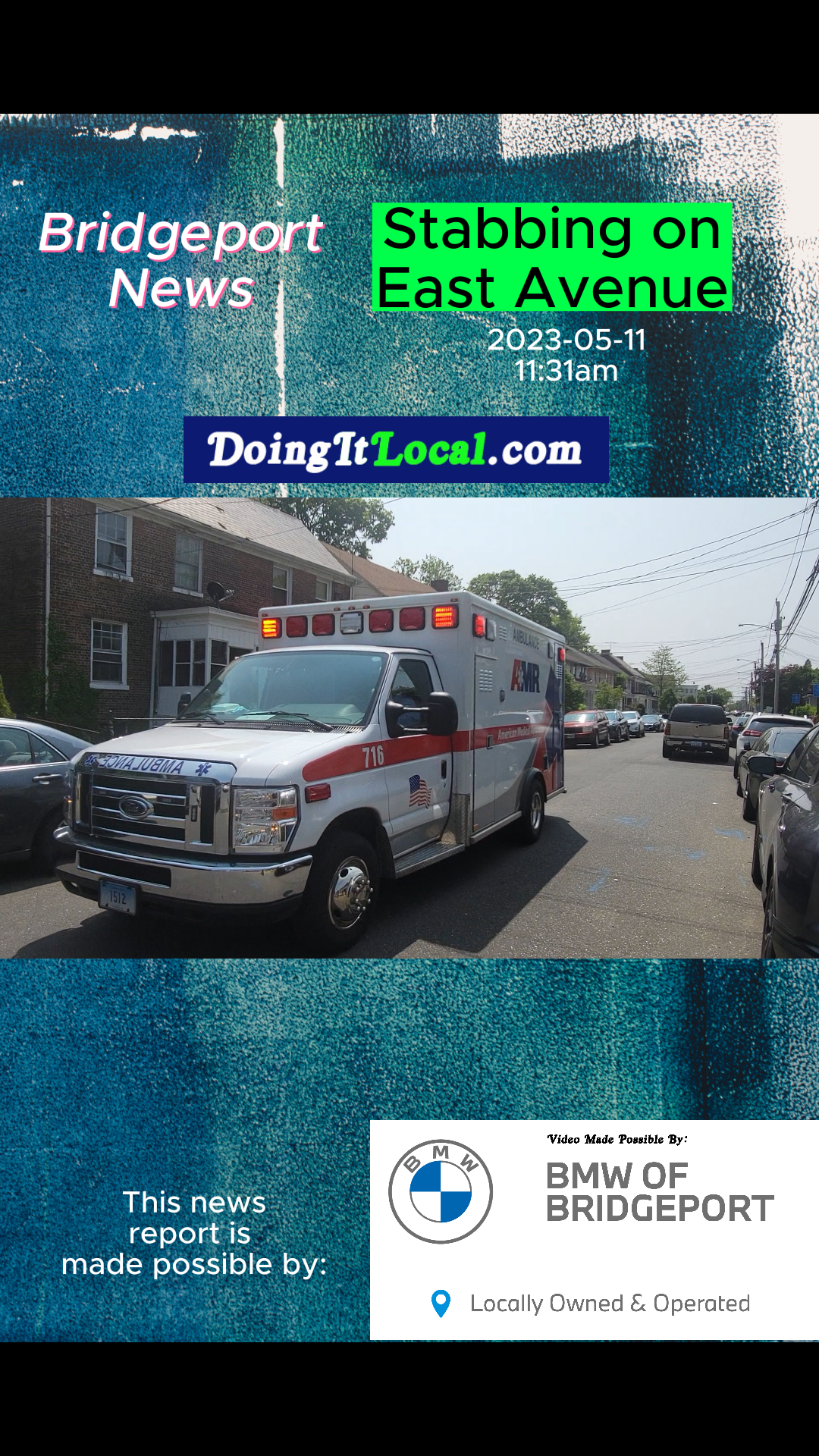
2023-05-11@11:31am–#Bridgeport CT– A man was stabbed in the hand in what appeared to be a domestic dispute. A woman was taken into custody.

WASHINGTON–U.S. Senators Chris Murphy (D-Conn.), a member of the U.S. Senate Health, Education, Labor, and Pensions Committee,and John Kennedy (R-La.) introduced the Teacher, Principal and Leader Residency Access Act on Monday to improve access to training for college students who aspire to become teachers and leaders in America’s schools, and help build a diverse pipeline of experienced teachers and school leaders. More than half of all public schools in the U.S. reported being understaffed at the start of the 2022-23 school year, according to the National Center for Education Statistics.
This legislation would ensure students participating in teacher and school leader residency programs are eligible for the Federal Work Study (FWS) Program, a campus-based aid program that funds part-time employment opportunities for undergraduate, graduate, and professional students in need of financial assistance based on their Free Application for Federal Student Aid (FAFSA).
“Nothing prepares you like on-the-job experience, but college and graduate students who want to work as student teachers aren’t currently eligible for federal work-study compensation. This legislation would get more aspiring educators into the classroom while they’re still pursuing their degree. Expanding access to teacher residency programs like the one we have in Connecticut will help tackle the educator shortage and improve student outcomes,” said Murphy.
“The effects of teacher shortages are devastating: Schools are closing, and America’s kids aren’t getting the education they need to succeed after graduation. Kids deserve to learn from capable teachers, but many young educators don’t get practical experience before they enter the classroom. Louisiana’s future rests on education, and we can improve schools by giving educators access to the training they need,” said Kennedy.
The Connecticut Teacher Residency Program (TRP) provides hands-on training for underemployed or unemployed adults, with residents participating in courses for 18 months and working with a mentor teacher for one school year while receiving pay and benefits. Residents are guaranteed a full-time teaching position upon completion of the program.
This press release was made possible by:

2023-05-10@1:30pm–#Southport CT– #Fairfield CT– #ctfire–#todayscarfire–Today’s vehicle fire is Chevy pickup in the 200 block of Pequot Avenue.
This news report is made possible by:

2023-05-10@12:02pm–#Stratford CT– First responders are at Marshalls at 411 Barnum Avenue for a child whose head is stuck in a shopping cart. That sounds like something I would have done as a kid….
This news report is made possible by:

A new study shows Americans lost a record $1.3 billion to romance scams in 2022, up 138% from $547 million in 2021. This marks the largest single-year hike over the past five years.
Connecticut ranks No. 26 with 159 victims losing $7.1 million in 2022. Connecticut has the No. 8 highest average loss per victim at $44,851.
The 10 states that lost the most money were highly populated led by California, Texas, Florida, and New York but it was smaller states that saw the biggest increases in money lost year-over-year led by Arkansas (398% increase), New Mexico (268%), and Maine (216%). Four new states entered the top 10 in 2022 for total money lost — Arizona, Ohio, North Carolina, and Illinois.
Social Catfish, a reverse search technology company, today released a study on the State of Romance Scams in America using FBI’s IC3 and FTC data from 2023, and internal data from 10 million of its users.
5 Key Findings:
1) Most Total Money Lost: California ($158M), Texas ($60.3M), Florida ($53.4M), New York ($33.5M), and Arizona ($25.4M).
2) Highest Average Loss per Victim: California ($72,239), North Dakota ($59,238), New Mexico ($57,001), Wisconsin ($53,309), and Delaware ($46,065).
3) Biggest Increase in Money Lost From 2021 to 2022: Arkansas (398%), New Mexico (269%), Maine (216%), New Hampshire (155%), and West Virginia (135%).
4) Crypto is the No. 1 Payment Method: Accounting for 34% of all money lost in 2022. Bank wire transfers was No. 2 at 27% and gift cards was No. 3 at 7%.
5) Most Common Lie Used by Scammers: Being “sick, hurt or in jail” was the most common lie used in 24% of scams. The No. 2 lie was “I can teach you how to invest” used in 18% of scams.
3 Romance Scams to Avoid in 2023:
1) Celebrity Romance Scam: Scammers are increasingly pretending to be celebrities on social media. One victim sent money to a fake Nicolas Cage and another chose not to send a fraudulent Keanu Reeves $400,000 to help him finance the John Wick movie.
How to Avoid: If a celebrity asks for money, it is a scam. Fake accounts have less followers and strange handles.
2) Cryptocurrency Romance Scams: Fraudsters claim to have gotten rich in crypto and convince the victim to invest with them by downloading an app. While the app even has data showing return on investment, it is all just a scam.
How to Avoid: Never make crypto investments with anyone you have not met.
3) Military Romance scams: Scammers steal military photos and claim to be stationed overseas which is why they cannot meet in person. They ask for money to fly back to the U.S. so they can finally meet and be together.
This press release was made possible by:

2023–05-10@11:30am–#Fairfield CT– A crash was reported in the 2000 block of Black Rock Turnpike in front of Trader Joe’s.
This news report is made possible by: